Skip to content
GenoLensGenoLens

TMEM65

Chr 8q24.13

transmembrane protein 65

MANE:
ENST00000297632.8

Annotations refreshed 9 hours ago.

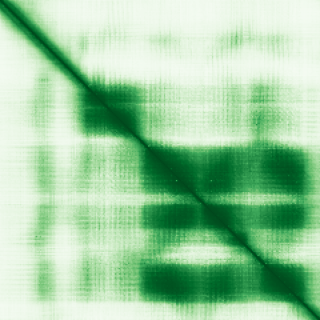
Predicted protein structure

Clinical relevance (Genomics England PanelApp)

Moderate Evidence (Amber)

  • Fetal anomalies

    BIALLELIC, autosomal or pseudoautosomal
  • Likely inborn error of metabolism

    BIALLELIC, autosomal or pseudoautosomal
  • Mitochondrial disorders

    BIALLELIC, autosomal or pseudoautosomal
  • Possible mitochondrial disorder - nuclear genes

    BIALLELIC, autosomal or pseudoautosomal

Disease associations (Open Targets)

  • COVID-19

    0.27
  • bipolar disorder

    0.26
  • Barrett esophagus

    0.22
  • neoplasm

    0.09
  • cancer

    0.09
  • prostate carcinoma

    0.08
  • gastric cancer

    0.08
  • colorectal carcinoma

    0.08
  • acute tonsillitis

    0.07
  • Hypercholesterolemia

    0.07

Score is the Open Targets composite evidence score (0-1). Higher = stronger gene-disease association.

Protein function (UniProt)

Transmembrane protein 65

Mitochondrial protein that plays a critical role in the sodium-dependent calcium efflux from mitochondrion (PubMed:40200126, PubMed:40691517). The precise role of TMEM65 in mitochondrial sodium/calcium exchange is however unclear: TMEM65 associates with the SLC8B1/NCLX antiporter and probably promotes the sodium/calcium exchange mediated by SLC8B1/NCLX (PubMed:40200126). According to another report, TMEM65 functions as the mitochondrial sodium/calcium antiporter itself: homodimerization drives formation of a pocket capable of binding calcium (PubMed:40691517). Essential for maintaining proper cardiac intercalated disk (ICD) structure and function as well as cardiac conduction velocity in the heart (By similarity). Its association with SCN1B is required for stabilizing the perinexus in the ICD and for localization of GJA1 and SCN5A to the ICD (By similarity)

Data sources: HGNC (CC BY 4.0), AlphaFold (CC BY 4.0, Jumper et al. Nature 2021), Genomics England PanelApp (CC BY 4.0), ClinGen, Open Targets (CC0), UniProt.

Not for sole clinical decision-making. Always verify against primary sources.