
AlphaFold predicted structure
TMIE · Q8NEW7
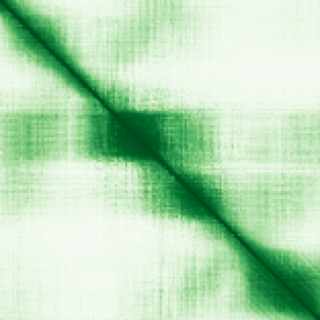
Mean pLDDT
62.8/ 100
Low
156 residues
Confidence breakdown
- Very high(≥ 90)7%
- Confident(70–90)21%
- Low(50–70)57%
- Very low(< 50)15%
Open interactive 3D viewer
AlphaFold (Jumper et al., 2021) · CC BY 4.0
transmembrane inner ear
Annotations refreshed 2 months ago.
Diagnostic Grade (Green)
Monogenic hearing loss
BIALLELIC, autosomal or pseudoautosomalhearing loss, autosomal recessive
deafness
Sensorineural hearing impairment
Non-syndromic genetic deafness
hearing loss disorder
nonsyndromic genetic hearing loss
Rare genetic deafness
Abnormality of the ear
Hearing impairment
ear malformation
Score is the Open Targets composite evidence score (0-1). Higher = stronger gene-disease association.
Transmembrane inner ear expressed protein
Auxiliary subunit of the mechanotransducer (MET) non-specific cation channel complex located at the tips of stereocilia of cochlear hair cells and that mediates sensory transduction in the auditory system. The MET complex is composed of two dimeric pore-forming ion-conducting transmembrane TMC (TMC1 or TMC2) subunits, and aided by several auxiliary proteins including LHFPL5, TMIE, CIB2/3 and TOMT, and the tip-link PCDH15. May contribute to the formation of the pore
TMIE · Q8NEW7
Mean pLDDT
62.8/ 100
Low
156 residues
Confidence breakdown
AlphaFold (Jumper et al., 2021) · CC BY 4.0