AlphaFold predicted structure
TNFRSF1A · P19438
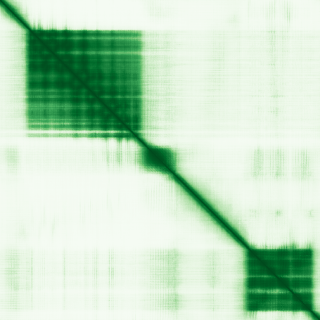
Mean pLDDT
71.4/ 100
Confident
455 residues
Confidence breakdown
- Very high(≥ 90)40%
- Confident(70–90)19%
- Low(50–70)10%
- Very low(< 50)32%
AlphaFold (Jumper et al., 2021) · CC BY 4.0
TNF receptor superfamily member 1A
Annotations refreshed 1 month ago.
Diagnostic Grade (Green)
Autoinflammatory disorders
MONOALLELIC, autosomal or pseudoautosomal, imprinted status unknownCOVID-19 research
MONOALLELIC, autosomal or pseudoautosomal, imprinted status unknownPeriodic fever syndromes
MONOALLELIC, autosomal or pseudoautosomal, NOT imprintedPrimary immunodeficiency or monogenic inflammatory bowel disease
MONOALLELIC, autosomal or pseudoautosomal, imprinted status unknownFamilial Meniere Disease
TNF receptor 1-associated periodic fever syndrome
Tumor necrosis factor receptor 1 associated periodic syndrome
multiple sclerosis
primary biliary cholangitis
Behcet disease
ankylosing spondylitis
autoinflammatory syndrome
hereditary disease
pneumonia
biliary liver cirrhosis
Score is the Open Targets composite evidence score (0-1). Higher = stronger gene-disease association.
Tumor necrosis factor receptor superfamily member 1A
Receptor for TNFSF2/TNF and homotrimeric TNFSF1/lymphotoxin-alpha. The adapter molecule FADD recruits caspase-8 to the activated receptor. The resulting death-inducing signaling complex (DISC) performs caspase-8 proteolytic activation which initiates the subsequent cascade of caspases (aspartate-specific cysteine proteases) mediating apoptosis. Contributes to the induction of non-cytocidal TNF effects including anti-viral state and activation of the acid sphingomyelinase
Curated MONDO disease pages that list TNFRSF1A among their top associated genes.
TNFRSF1A · P19438

Mean pLDDT
71.4/ 100
Confident
455 residues
Confidence breakdown
AlphaFold (Jumper et al., 2021) · CC BY 4.0