Skip to content
GenoLensGenoLens

TNFSF11

Chr 13q14.11

TNF superfamily member 11

Aliases:
TRANCE, RANKL, OPGL, ODF, CD254
MANE:
ENST00000398795.7

Annotations refreshed 9 hours ago.

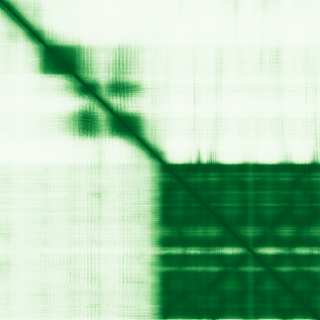
Predicted protein structure

Clinical relevance (Genomics England PanelApp)

Diagnostic Grade (Green)

  • COVID-19 research

    BIALLELIC, autosomal or pseudoautosomal
  • Osteopetrosis

    BIALLELIC, autosomal or pseudoautosomal
  • Skeletal dysplasia

    BIALLELIC, autosomal or pseudoautosomal
  • Fetal anomalies

    BIALLELIC, autosomal or pseudoautosomal
  • Primary immunodeficiency or monogenic inflammatory bowel disease

    BIALLELIC, autosomal or pseudoautosomal

Disease associations (Open Targets)

  • osteoporosis

    0.73
  • autosomal recessive osteopetrosis 2

    0.67
  • Autosomal recessive malignant osteopetrosis

    0.64
  • bone neoplasm

    0.59
  • postmenopausal osteoporosis

    0.59
  • bone giant cell tumor

    0.59
  • bone resorption

    0.59
  • bone disorder

    0.56
  • giant cell tumor

    0.54
  • plasma cell myeloma

    0.51

Score is the Open Targets composite evidence score (0-1). Higher = stronger gene-disease association.

Protein function (UniProt)

Tumor necrosis factor ligand superfamily member 11

Cytokine that binds to TNFRSF11B/OPG and to TNFRSF11A/RANK. Osteoclast differentiation and activation factor. Augments the ability of dendritic cells to stimulate naive T-cell proliferation. May be an important regulator of interactions between T-cells and dendritic cells and may play a role in the regulation of the T-cell-dependent immune response. May also play an important role in enhanced bone-resorption in humoral hypercalcemia of malignancy (PubMed:22664871). Induces osteoclastogenesis by activating multiple signaling pathways in osteoclast precursor cells, chief among which is induction of long lasting oscillations in the intracellular concentration of Ca (2+) resulting in the activation of NFATC1, which translocates to the nucleus and induces osteoclast-specific gene transcription to allow differentiation of osteoclasts. During osteoclast differentiation, in a TMEM64 and ATP2A2-dependent manner induces activation of CREB1 and mitochondrial ROS generation necessary for proper osteoclast generation (By similarity)

Data sources: HGNC (CC BY 4.0), AlphaFold (CC BY 4.0, Jumper et al. Nature 2021), Genomics England PanelApp (CC BY 4.0), ClinGen, Open Targets (CC0), UniProt.

Not for sole clinical decision-making. Always verify against primary sources.