
AlphaFold predicted structure
TP73 · O15350
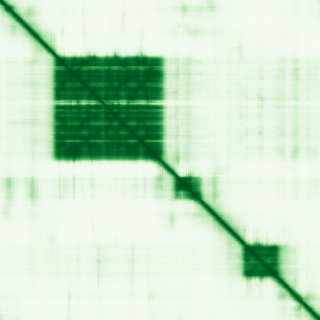
Mean pLDDT
65.2/ 100
Low
636 residues
Confidence breakdown
- Very high(≥ 90)35%
- Confident(70–90)14%
- Low(50–70)4%
- Very low(< 50)48%
Open interactive 3D viewer
AlphaFold (Jumper et al., 2021) · CC BY 4.0
tumor protein p73
Annotations refreshed 3 months ago.
Diagnostic Grade (Green)
DDG2P
BIALLELIC, autosomal or pseudoautosomalFetal anomalies
BIALLELIC, autosomal or pseudoautosomalIntellectual disability
BIALLELIC, autosomal or pseudoautosomalMalformations of cortical development
BIALLELIC, autosomal or pseudoautosomalRespiratory ciliopathies including non-CF bronchiectasis
BIALLELIC, autosomal or pseudoautosomalciliary dyskinesia, primary, 47, and lissencephaly
neurodegenerative disease
insomnia
seborrheic keratosis
skin disorder
respiratory failure
skin cancer
actinic keratosis
hereditary disease
neurodevelopmental disorder
Score is the Open Targets composite evidence score (0-1). Higher = stronger gene-disease association.
Tumor protein p73
Participates in the apoptotic response to DNA damage. Isoforms containing the transactivation domain are pro-apoptotic, isoforms lacking the domain are anti-apoptotic and block the function of p53 and transactivating p73 isoforms. May be a tumor suppressor protein. Is an activator of FOXJ1 expression (By similarity). It is an essential factor for the positive regulation of lung ciliated cell differentiation (PubMed:34077761)
TP73 · O15350
Mean pLDDT
65.2/ 100
Low
636 residues
Confidence breakdown
AlphaFold (Jumper et al., 2021) · CC BY 4.0