Skip to content
GenoLensGenoLens

TRIM22

Chr 11p15.4

tripartite motif containing 22

Aliases:
STAF50, GPSTAF50, RNF94
MANE:
ENST00000379965.8

Annotations refreshed 9 hours ago.

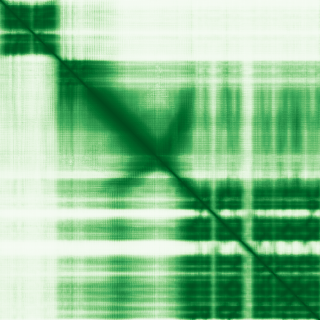
Predicted protein structure

Clinical relevance (Genomics England PanelApp)

Diagnostic Grade (Green)

  • COVID-19 research

    BIALLELIC, autosomal or pseudoautosomal
  • Primary immunodeficiency or monogenic inflammatory bowel disease

    BIALLELIC, autosomal or pseudoautosomal
  • Infantile enterocolitis & monogenic inflammatory bowel disease

    BIALLELIC, autosomal or pseudoautosomal

Disease associations (Open Targets)

  • Crohn disease

    0.47
  • inflammatory bowel disease

    0.37
  • exostosis

    0.19
  • glioblastoma

    0.11
  • glioma

    0.11
  • central nervous system cancer

    0.11
  • hepatocellular carcinoma

    0.10
  • neoplasm

    0.10
  • melanoma

    0.09
  • rheumatoid arthritis

    0.08

Score is the Open Targets composite evidence score (0-1). Higher = stronger gene-disease association.

Protein function (UniProt)

E3 ubiquitin-protein ligase TRIM22

Interferon-induced E3 ubiquitin ligase that plays important roles in innate and adaptive immunity (PubMed:25683609, PubMed:35777501). Restricts the replication of many viruses including HIV-1, encephalomyocarditis virus (EMCV), hepatitis B virus (HBV), hepatitis C virus (HCV) or Zika virus (ZIKV) (PubMed:25683609, PubMed:35777501, PubMed:36042495). Mechanistically, negatively regulates HCV replication by promoting ubiquitination and subsequent degradation of viral NS5A (PubMed:25683609). Also acts by promoting the degradation of Zika virus NS1 and NS3 proteins through proteasomal degradation (PubMed:36042495). Acts as a suppressor of basal HIV-1 LTR-driven transcription by preventing Sp1 binding to the HIV-1 promoter (PubMed:26683615). Also plays a role in antiviral immunity by co-regulating together with NT5C2 the RIGI/NF-kappa-B pathway by promoting 'Lys-63'-linked ubiquitination of RIGI, while NT5C2 is responsible for 'Lys-48'-linked ubiquitination of RIGI (PubMed:36159777). Participates in adaptive immunity by suppressing the amount of MHC class II protein in a negative feedback manner in order to limit the extent of MHC class II induction (PubMed:35777501)

Data sources: HGNC (CC BY 4.0), AlphaFold (CC BY 4.0, Jumper et al. Nature 2021), Genomics England PanelApp (CC BY 4.0), ClinGen, Open Targets (CC0), UniProt.

Not for sole clinical decision-making. Always verify against primary sources.