AlphaFold predicted structure
TRPC6 · Q9Y210
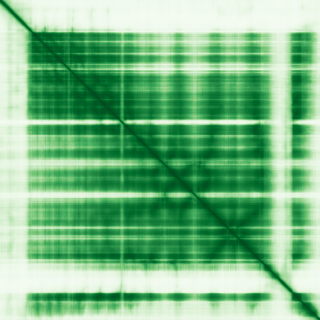
Mean pLDDT
76.7/ 100
Confident
931 residues
Confidence breakdown
- Very high(≥ 90)34%
- Confident(70–90)41%
- Low(50–70)7%
- Very low(< 50)18%
AlphaFold (Jumper et al., 2021) · CC BY 4.0
transient receptor potential cation channel subfamily C member 6
Annotations refreshed 9 hours ago.
Diagnostic Grade (Green)
Proteinuric renal disease
MONOALLELIC, autosomal or pseudoautosomal, NOT imprintedUnexplained kidney failure in young people
MONOALLELIC, autosomal or pseudoautosomal, NOT imprintedfamilial idiopathic steroid-resistant nephrotic syndrome
focal segmental glomerulosclerosis
nephrotic syndrome
Proteinuria
kidney failure
smoking initiation
hereditary disease
immune system disorder
poisoning
placental abruption
Score is the Open Targets composite evidence score (0-1). Higher = stronger gene-disease association.
Short transient receptor potential channel 6
Non-selective, calcium-permeable cation channel (PubMed:19936226, PubMed:23291369, PubMed:26892346, PubMed:9930701). Mediates calcium entry following G(q)-coupled receptor or receptor tyrosine kinase activation, which triggers phospholipase C (PLC)-mediated hydrolysis of phosphatidylinositides and production of diacylglycerol (DAG) that directly activates TRPC6 (PubMed:26892346). Does not appear to be activated by depletion of intracellular calcium stores (PubMed:9930701). Mediates depolarization of intrinsically photosensitive retinal ganglion cells (ipRGCs) in response to light-induced melanopsin (OPN4)-mediated phototransduction via G(q)-PLC signaling, likely by forming heteromeric TRPC6-TRPC7 channels (By similarity)
Curated MONDO disease pages that list TRPC6 among their top associated genes.
TRPC6 · Q9Y210

Mean pLDDT
76.7/ 100
Confident
931 residues
Confidence breakdown
AlphaFold (Jumper et al., 2021) · CC BY 4.0