Skip to content
GenoLensGenoLens

TRPV3

Chr 17p13.2

transient receptor potential cation channel subfamily V member 3

Aliases:
VRL3
MANE:
ENST00000576742.6

Annotations refreshed 10 hours ago.

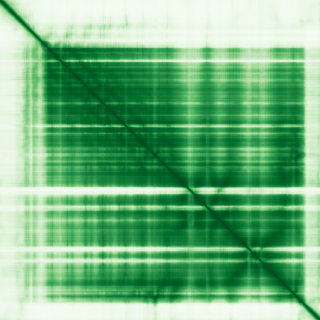
Predicted protein structure

Clinical relevance (Genomics England PanelApp)

Diagnostic Grade (Green)

  • DDG2P

    MONOALLELIC, autosomal or pseudoautosomal, imprinted status unknown
  • Ichthyosis and erythrokeratoderma

    MONOALLELIC, autosomal or pseudoautosomal, NOT imprinted
  • Palmoplantar keratoderma and erythrokeratodermas

    MONOALLELIC, autosomal or pseudoautosomal, NOT imprinted
  • Palmoplantar keratodermas

    MONOALLELIC, autosomal or pseudoautosomal, NOT imprinted
  • Fetal anomalies

    MONOALLELIC, autosomal or pseudoautosomal, imprinted status unknown
  • Epidermolysis bullosa and congenital skin fragility

    MONOALLELIC, autosomal or pseudoautosomal, imprinted status unknown
  • Generalised pustular psoriasis

    MONOALLELIC, autosomal or pseudoautosomal, imprinted status unknown
  • Peeling skin syndrome

    MONOALLELIC, autosomal or pseudoautosomal, imprinted status unknown

Disease associations (Open Targets)

  • Olmsted syndrome 1

    0.77
  • Olmsted syndrome

    0.65
  • Non-epidermolytic palmoplantar keratoderma

    0.62
  • neurodegenerative disease

    0.41
  • autoimmune disorder of central nervous system

    0.32
  • hereditary disease

    0.19
  • lagophthalmos

    0.18
  • Parkinson disease

    0.10
  • uncombable hair syndrome

    0.10
  • Pain

    0.09

Score is the Open Targets composite evidence score (0-1). Higher = stronger gene-disease association.

Protein function (UniProt)

Transient receptor potential cation channel subfamily V member 3

Non-selective calcium permeant cation channel (PubMed:12077604, PubMed:12077606, PubMed:26818531, PubMed:37648856, PubMed:38691614). It is activated by innocuous (warm) temperatures and shows an increased response at noxious temperatures greater than 39 degrees Celsius (PubMed:12077604, PubMed:12077606). Activation exhibits an outward rectification (PubMed:12077604). The channel pore can dilate to provide permeability to larger cations (PubMed:37648856). May associate with TRPV1 and may modulate its activity (PubMed:12077606). Is a negative regulator of hair growth and cycling: TRPV3-coupled signaling suppresses keratinocyte proliferation in hair follicles and induces apoptosis and premature hair follicle regression (catagen) (PubMed:21593771)

Data sources: HGNC (CC BY 4.0), AlphaFold (CC BY 4.0, Jumper et al. Nature 2021), Genomics England PanelApp (CC BY 4.0), ClinGen, Open Targets (CC0), UniProt.

Not for sole clinical decision-making. Always verify against primary sources.