
AlphaFold predicted structure
TTPA · P49638
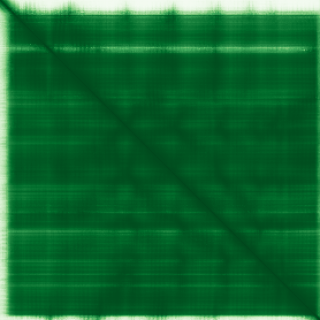
Mean pLDDT
94.1/ 100
Very high
278 residues
Confidence breakdown
- Very high(≥ 90)92%
- Confident(70–90)3%
- Low(50–70)1%
- Very low(< 50)3%
Open interactive 3D viewer
AlphaFold (Jumper et al., 2021) · CC BY 4.0
alpha tocopherol transfer protein
Annotations refreshed 2 months ago.
Diagnostic Grade (Green)
Ataxia and cerebellar anomalies - narrow panel
BIALLELIC, autosomal or pseudoautosomalHereditary ataxia
BIALLELIC, autosomal or pseudoautosomalHereditary ataxia with onset in adulthood
BIALLELIC, autosomal or pseudoautosomalHereditary neuropathy
BIALLELIC, autosomal or pseudoautosomalHereditary neuropathy or pain disorder
BIALLELIC, autosomal or pseudoautosomalLikely inborn error of metabolism
BIALLELIC, autosomal or pseudoautosomalUndiagnosed metabolic disorders
BIALLELIC, autosomal or pseudoautosomalRetinal disorders
+3 more panels — install the extension to see the full list inline on any page.
Ataxia with vitamin E deficiency
familial isolated deficiency of vitamin E
Rare hereditary ataxia
hereditary ataxia
Retinal dystrophy
hereditary disease
CHD7-related CHARGE syndrome
ovarian dysfunction
dementia
Abnormal central motor function
Score is the Open Targets composite evidence score (0-1). Higher = stronger gene-disease association.
Alpha-tocopherol transfer protein
Binds alpha-tocopherol, enhances its transfer between separate membranes, and stimulates its release from liver cells (PubMed:7887897). Binds both phosphatidylinositol 3,4-bisphosphate and phosphatidylinositol 4,5-bisphosphate; the resulting conformation change is important for the release of the bound alpha-tocopherol (By similarity)
TTPA · P49638
Mean pLDDT
94.1/ 100
Very high
278 residues
Confidence breakdown
AlphaFold (Jumper et al., 2021) · CC BY 4.0