
AlphaFold predicted structure
TUBA8 · Q9NY65
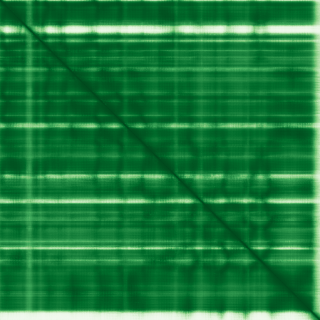
Mean pLDDT
91.2/ 100
Very high
449 residues
Confidence breakdown
- Very high(≥ 90)80%
- Confident(70–90)14%
- Low(50–70)4%
- Very low(< 50)2%
Open interactive 3D viewer
AlphaFold (Jumper et al., 2021) · CC BY 4.0
tubulin alpha 8
Annotations refreshed 2 months ago.
Moderate Evidence (Amber)
Ataxia and cerebellar anomalies - narrow panel
BIALLELIC, autosomal or pseudoautosomalBleeding and platelet disorders
MONOALLELIC, autosomal or pseudoautosomal, imprinted status unknownCerebellar hypoplasia
BIALLELIC, autosomal or pseudoautosomalCytopenia - NOT Fanconi anaemia
MONOALLELIC, autosomal or pseudoautosomal, NOT imprintedEarly onset or syndromic epilepsy
BIALLELIC, autosomal or pseudoautosomalFetal anomalies
BIALLELIC, autosomal or pseudoautosomalMalformations of cortical development
BIALLELIC, autosomal or pseudoautosomalCerebral vascular malformations
+6 more panels — install the extension to see the full list inline on any page.
macrothrombocytopenia, isolated, 2, autosomal dominant
viral infectious disease
polymicrogyria with optic nerve hypoplasia
atrial fibrillation
atrial flutter
autosomal dominant macrothrombocytopenia
cardiac arrhythmia
cardiomyopathy
chronic obstructive pulmonary disease
gram-negative bacterial infections
Score is the Open Targets composite evidence score (0-1). Higher = stronger gene-disease association.
Tubulin alpha-8 chain
Tubulin is the major constituent of microtubules, a cylinder consisting of laterally associated linear protofilaments composed of alpha- and beta-tubulin heterodimers. Microtubules grow by the addition of GTP-tubulin dimers to the microtubule end, where a stabilizing cap forms. Below the cap, tubulin dimers are in GDP-bound state, owing to GTPase activity of alpha-tubulin
TUBA8 · Q9NY65
Mean pLDDT
91.2/ 100
Very high
449 residues
Confidence breakdown
AlphaFold (Jumper et al., 2021) · CC BY 4.0