Skip to content
GenoLensGenoLens

TUBB2A

Chr 6p25.2

tubulin beta 2A class IIa

Aliases:
dJ40E16.7
MANE:
ENST00000333628.4

Annotations refreshed 10 hours ago.

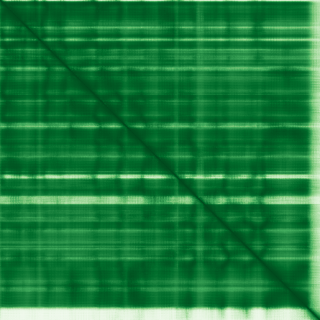
Predicted protein structure

Clinical relevance (Genomics England PanelApp)

Diagnostic Grade (Green)

  • DDG2P

    MONOALLELIC, autosomal or pseudoautosomal, imprinted status unknown
  • Early onset or syndromic epilepsy

    MONOALLELIC, autosomal or pseudoautosomal, imprinted status unknown
  • Fetal anomalies

    MONOALLELIC, autosomal or pseudoautosomal, imprinted status unknown
  • Intellectual disability

    MONOALLELIC, autosomal or pseudoautosomal, NOT imprinted
  • Malformations of cortical development

    MONOALLELIC, autosomal or pseudoautosomal, imprinted status unknown
  • Cerebral vascular malformations

  • Hereditary ataxia with onset in adulthood

    MONOALLELIC, autosomal or pseudoautosomal, NOT imprinted

Disease associations (Open Targets)

  • complex cortical dysplasia with other brain malformations 5

    0.75
  • Genetic central nervous system malformation

    0.73
  • breast cancer

    0.62
  • breast carcinoma

    0.61
  • non-small cell lung carcinoma

    0.61
  • neoplasm

    0.60
  • prostate cancer

    0.59
  • breast neoplasm

    0.59
  • Hodgkins lymphoma

    0.59
  • gout

    0.59

Score is the Open Targets composite evidence score (0-1). Higher = stronger gene-disease association.

Protein function (UniProt)

Tubulin beta-2A chain

Tubulin is the major constituent of microtubules, a cylinder consisting of laterally associated linear protofilaments composed of alpha- and beta-tubulin heterodimers. Microtubules grow by the addition of GTP-tubulin dimers to the microtubule end, where a stabilizing cap forms. Below the cap, tubulin dimers are in GDP-bound state, owing to GTPase activity of alpha-tubulin

Curated MONDO disease pages that list TUBB2A among their top associated genes.

Data sources: HGNC (CC BY 4.0), AlphaFold (CC BY 4.0, Jumper et al. Nature 2021), Genomics England PanelApp (CC BY 4.0), ClinGen, Open Targets (CC0), UniProt.

Not for sole clinical decision-making. Always verify against primary sources.