
AlphaFold predicted structure
TUFM · P49411
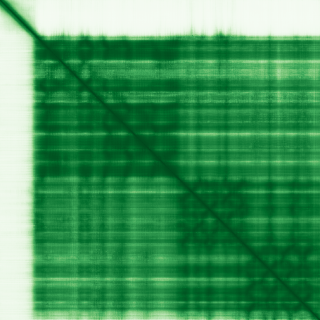
Mean pLDDT
85.0/ 100
Confident
455 residues
Confidence breakdown
- Very high(≥ 90)65%
- Confident(70–90)24%
- Low(50–70)1%
- Very low(< 50)10%
Open interactive 3D viewer
AlphaFold (Jumper et al., 2021) · CC BY 4.0
Tu translation elongation factor, mitochondrial
Annotations refreshed 2 months ago.
Diagnostic Grade (Green)
DDG2P
BIALLELIC, autosomal or pseudoautosomalLikely inborn error of metabolism
BIALLELIC, autosomal or pseudoautosomalMitochondrial disorders
BIALLELIC, autosomal or pseudoautosomalPossible mitochondrial disorder - nuclear genes
BIALLELIC, autosomal or pseudoautosomalUndiagnosed metabolic disorders
BIALLELIC, autosomal or pseudoautosomalWhite matter disorders and cerebral calcification - narrow panel
BIALLELIC, autosomal or pseudoautosomalFetal anomalies
BIALLELIC, autosomal or pseudoautosomalInherited white matter disorders
BIALLELIC, autosomal or pseudoautosomal+2 more panels — install the extension to see the full list inline on any page.
combined oxidative phosphorylation defect type 4
neurodegenerative disease
COVID-19
combined oxidative phosphorylation deficiency
ulcerative colitis
intelligence
mitochondrial disease
hereditary disease
inborn mitochondrial metabolism disorder
metabolic syndrome
Score is the Open Targets composite evidence score (0-1). Higher = stronger gene-disease association.
Elongation factor Tu, mitochondrial
GTP hydrolase that promotes the GTP-dependent binding of aminoacyl-tRNA to the A-site of ribosomes during protein biosynthesis. Participates in mitochondrial translation (By similarity). Also plays a role in the regulation of autophagy and innate immunity (PubMed:22749352, PubMed:28407488). Recruits ATG5-ATG12 and NLRX1 at mitochondria and serves as a checkpoint of the RIGI-MAVS pathway (PubMed:28407488). In turn, inhibits RLR-mediated type I interferon while promoting autophagy (PubMed:22749352)
TUFM · P49411
Mean pLDDT
85.0/ 100
Confident
455 residues
Confidence breakdown
AlphaFold (Jumper et al., 2021) · CC BY 4.0