
AlphaFold predicted structure
TYRP1 · P17643
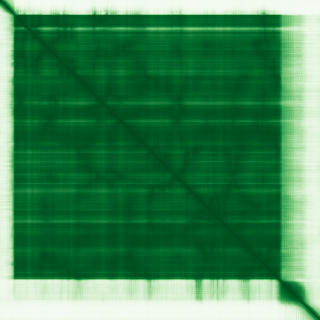
Mean pLDDT
91.7/ 100
Very high
537 residues
Confidence breakdown
- Very high(≥ 90)85%
- Confident(70–90)4%
- Low(50–70)4%
- Very low(< 50)7%
Open interactive 3D viewer
AlphaFold (Jumper et al., 2021) · CC BY 4.0
tyrosinase related protein 1
Annotations refreshed 3 months ago.
Diagnostic Grade (Green)
Albinism or congenital nystagmus
BIALLELIC, autosomal or pseudoautosomalDDG2P
BIALLELIC, autosomal or pseudoautosomalInfantile nystagmus
BIALLELIC, autosomal or pseudoautosomalOcular and oculo-cutaneous albinism
BIALLELIC, autosomal or pseudoautosomalPigmentary skin disorders
BIALLELIC, autosomal or pseudoautosomalFetal anomalies
BIALLELIC, autosomal or pseudoautosomalGlaucoma (developmental)
Intellectual disability
BIALLELIC, autosomal or pseudoautosomal+4 more panels — install the extension to see the full list inline on any page.
oculocutaneous albinism type 3
oculocutaneous albinism
oculocutaneous albinism type 6
Abnormality of skin pigmentation
hair color
actinic keratosis
skin cancer
eye color
cutaneous melanoma
skin disorder
Score is the Open Targets composite evidence score (0-1). Higher = stronger gene-disease association.
5,6-dihydroxyindole-2-carboxylic acid oxidase
Plays a role in melanin biosynthesis (PubMed:16704458, PubMed:22556244, PubMed:23504663). Catalyzes the oxidation of 5,6-dihydroxyindole-2-carboxylic acid (DHICA) into indole-5,6-quinone-2-carboxylic acid in the presence of bound Cu(2+) ions, but not in the presence of Zn(2+) (PubMed:28661582). May regulate or influence the type of melanin synthesized (PubMed:16704458, PubMed:22556244). Also to a lower extent, capable of hydroxylating tyrosine and producing melanin (By similarity)
TYRP1 · P17643
Mean pLDDT
91.7/ 100
Very high
537 residues
Confidence breakdown
AlphaFold (Jumper et al., 2021) · CC BY 4.0