
AlphaFold predicted structure
UBA1 · P22314
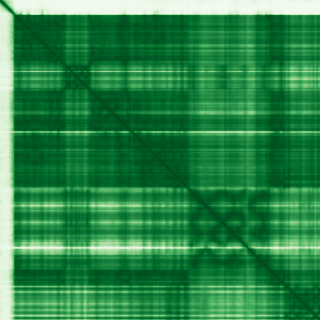
Mean pLDDT
92.4/ 100
Very high
1,058 residues
Confidence breakdown
- Very high(≥ 90)85%
- Confident(70–90)9%
- Low(50–70)1%
- Very low(< 50)4%
Open interactive 3D viewer
AlphaFold (Jumper et al., 2021) · CC BY 4.0
ubiquitin like modifier activating enzyme 1
Annotations refreshed 2 months ago.
Diagnostic Grade (Green)
Arthrogryposis
X-LINKED: hemizygous mutation in males, biallelic mutations in femalesAutoinflammatory disorders
OtherFetal anomalies
X-LINKED: hemizygous mutation in males, biallelic mutations in femalesHereditary neuropathy or pain disorder
X-LINKED: hemizygous mutation in males, biallelic mutations in femalesPaediatric motor neuronopathies
X-LINKED: hemizygous mutation in males, monoallelic mutations in females may cause disease (may be less severe, later onset than males)Primary immunodeficiency or monogenic inflammatory bowel disease
OtherAdult onset neurodegenerative disorder
X-LINKED: hemizygous mutation in males, monoallelic mutations in females may cause disease (may be less severe, later onset than males)infantile-onset X-linked spinal muscular atrophy
VEXAS syndrome
X-linked distal arthrogryposis multiplex congenita
hereditary disease
neurodegenerative disease
dengue disease
autoimmune disorder of central nervous system
Alzheimer disease
Parkinson disease
multiple sclerosis
Score is the Open Targets composite evidence score (0-1). Higher = stronger gene-disease association.
Ubiquitin-like modifier-activating enzyme 1
Catalyzes the first step in ubiquitin conjugation to mark cellular proteins for degradation through the ubiquitin-proteasome system (PubMed:1447181, PubMed:1606621, PubMed:33108101). Activates ubiquitin by first adenylating its C-terminal glycine residue with ATP, and thereafter linking this residue to the side chain of a cysteine residue in E1, yielding a ubiquitin-E1 thioester and free AMP (PubMed:1447181). Essential for the formation of radiation-induced foci, timely DNA repair and for response to replication stress. Promotes the recruitment of TP53BP1 and BRCA1 at DNA damage sites (PubMed:22456334)
UBA1 · P22314
Mean pLDDT
92.4/ 100
Very high
1,058 residues
Confidence breakdown
AlphaFold (Jumper et al., 2021) · CC BY 4.0