Skip to content
GenoLensGenoLens

UBR1

Chr 15q15.2

ubiquitin protein ligase E3 component n-recognin 1

MANE:
ENST00000290650.9

Annotations refreshed 9 hours ago.

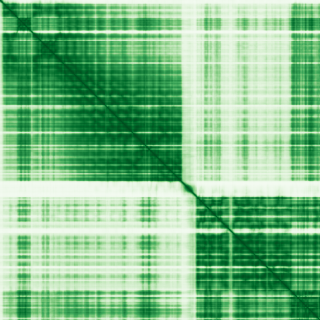
Predicted protein structure

Clinical relevance (Genomics England PanelApp)

Diagnostic Grade (Green)

  • DDG2P

    BIALLELIC, autosomal or pseudoautosomal
  • Fetal anomalies

    BIALLELIC, autosomal or pseudoautosomal
  • Intellectual disability

    BIALLELIC, autosomal or pseudoautosomal

Disease associations (Open Targets)

  • Johanson-Blizzard syndrome

    0.83
  • hereditary disease

    0.47
  • neurodegenerative disease

    0.31
  • aortic stenosis

    0.30
  • Intellectual disability

    0.15
  • microcephaly

    0.14
  • autism spectrum disorder

    0.09
  • gastric cancer

    0.08
  • hereditary continuous muscle fiber activity

    0.06
  • Emery-Dreifuss muscular dystrophy

    0.06

Score is the Open Targets composite evidence score (0-1). Higher = stronger gene-disease association.

Protein function (UniProt)

E3 ubiquitin-protein ligase UBR1

E3 ubiquitin-protein ligase which is a component of the N-end rule pathway (PubMed:15548684, PubMed:16311597, PubMed:18162545, PubMed:20835242, PubMed:28392261). Recognizes and binds proteins bearing specific N-terminal residues that are destabilizing according to the N-end rule, leading to their ubiquitination and subsequent degradation (PubMed:18162545, PubMed:20835242, PubMed:28392261). Recognizes both type-1 and type-2 N-degrons, containing positively charged amino acids (Arg, Lys and His) and bulky and hydrophobic amino acids, respectively (PubMed:18162545). Does not ubiquitinate proteins that are acetylated at the N-terminus (PubMed:20835242). In contrast, it strongly binds methylated N-degrons (PubMed:28392261). Binds leucine and is a negative regulator of the leucine-mTOR signaling pathway, thereby controlling cell growth (PubMed:20298436)

Data sources: HGNC (CC BY 4.0), AlphaFold (CC BY 4.0, Jumper et al. Nature 2021), Genomics England PanelApp (CC BY 4.0), ClinGen, Open Targets (CC0), UniProt.

Not for sole clinical decision-making. Always verify against primary sources.