
AlphaFold predicted structure
UFC1 · Q9Y3C8
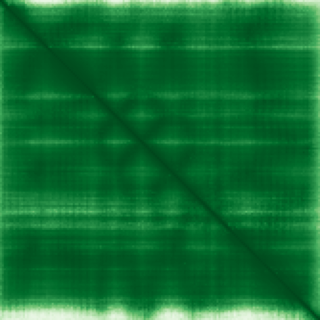
Mean pLDDT
93.4/ 100
Very high
167 residues
Confidence breakdown
- Very high(≥ 90)88%
- Confident(70–90)8%
- Low(50–70)3%
- Very low(< 50)1%
Open interactive 3D viewer
AlphaFold (Jumper et al., 2021) · CC BY 4.0
ubiquitin-fold modifier conjugating enzyme 1
Annotations refreshed 2 months ago.
Diagnostic Grade (Green)
DDG2P
BIALLELIC, autosomal or pseudoautosomalSevere microcephaly
BIALLELIC, autosomal or pseudoautosomalEarly onset or syndromic epilepsy
BIALLELIC, autosomal or pseudoautosomalIntellectual disability
BIALLELIC, autosomal or pseudoautosomalFetal anomalies
BIALLELIC, autosomal or pseudoautosomalneurodevelopmental disorder with spasticity and poor growth
microcephaly
neurodegenerative disease
non-small cell lung carcinoma
gastric cancer
cervical carcinoma
cervical cancer
breast cancer
breast carcinoma
colorectal carcinoma
Score is the Open Targets composite evidence score (0-1). Higher = stronger gene-disease association.
Ubiquitin-fold modifier-conjugating enzyme 1
E2-like enzyme which specifically catalyzes the second step in ufmylation (PubMed:15071506, PubMed:29868776, PubMed:30626644, PubMed:34588452, PubMed:35394863, PubMed:36121123, PubMed:38383789). Accepts the ubiquitin-like modifier UFM1 from the E1 enzyme UBA5 and forms an intermediate with UFM1 via a thioester linkage (PubMed:15071506, PubMed:29868776, PubMed:34588452, PubMed:38383789). Ufmylation is involved in various processes, such as ribosome recycling, response to DNA damage, interferon response or reticulophagy (also called ER-phagy) (PubMed:27351204, PubMed:32160526, PubMed:35394863, PubMed:37036982, PubMed:38383789)
UFC1 · Q9Y3C8
Mean pLDDT
93.4/ 100
Very high
167 residues
Confidence breakdown
AlphaFold (Jumper et al., 2021) · CC BY 4.0