
AlphaFold predicted structure
UFM1 · P61960
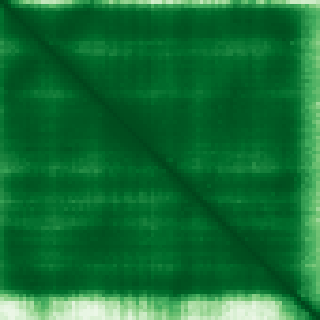
Mean pLDDT
91.6/ 100
Very high
85 residues
Confidence breakdown
- Very high(≥ 90)88%
- Confident(70–90)4%
- Low(50–70)6%
- Very low(< 50)2%
Open interactive 3D viewer
AlphaFold (Jumper et al., 2021) · CC BY 4.0
ubiquitin fold modifier 1
Annotations refreshed 2 months ago.
Diagnostic Grade (Green)
DDG2P
BIALLELIC, autosomal or pseudoautosomalEarly onset or syndromic epilepsy
BIALLELIC, autosomal or pseudoautosomalIntellectual disability
BIALLELIC, autosomal or pseudoautosomalSevere microcephaly
BIALLELIC, autosomal or pseudoautosomalWhite matter disorders and cerebral calcification - narrow panel
BIALLELIC, autosomal or pseudoautosomalFetal anomalies
BIALLELIC, autosomal or pseudoautosomalHypomyelination with atrophy of basal ganglia and cerebellum
neurodegenerative disease
microcephaly
schizophrenia
lysosomal storage disease
Romano-Ward syndrome
familial long QT syndrome
glomerulonephritis
muscular disease
tooth disorder
Score is the Open Targets composite evidence score (0-1). Higher = stronger gene-disease association.
Ubiquitin-fold modifier 1
Ubiquitin-like modifier which can be covalently attached via an isopeptide bond to lysine residues of substrate proteins as a monomer or a lysine-linked polymer (PubMed:15071506, PubMed:20018847, PubMed:27653677, PubMed:29868776, PubMed:30626644, PubMed:38377992, PubMed:38383785). The so-called ufmylation, requires the UFM1-activating E1 enzyme UBA5, the UFM1-conjugating E2 enzyme UFC1, and the UFM1-ligase E3 enzyme UFL1 (PubMed:15071506, PubMed:20018847, PubMed:27653677, PubMed:29868776). Ufmylation is involved in various processes, such as ribosome recycling, response to DNA damage, transcription or reticulophagy (also called ER-phagy) induced in response to endoplasmic reticulum stress (PubMed:25219498, PubMed:32160526, PubMed:38383785)
UFM1 · P61960
Mean pLDDT
91.6/ 100
Very high
85 residues
Confidence breakdown
AlphaFold (Jumper et al., 2021) · CC BY 4.0