AlphaFold predicted structure
UGGT1 · Q9NYU2
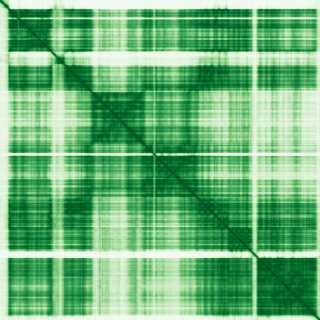
Mean pLDDT
83.5/ 100
Confident
1,555 residues
Confidence breakdown
- Very high(≥ 90)42%
- Confident(70–90)46%
- Low(50–70)5%
- Very low(< 50)7%
AlphaFold (Jumper et al., 2021) · CC BY 4.0
UDP-glucose glycoprotein glucosyltransferase 1
Annotations refreshed 10 hours ago.
Diagnostic Grade (Green)
Congenital disorders of glycosylation
BIALLELIC, autosomal or pseudoautosomalDDG2P
BIALLELIC, autosomal or pseudoautosomalEarly onset or syndromic epilepsy
BIALLELIC, autosomal or pseudoautosomalFetal anomalies
BIALLELIC, autosomal or pseudoautosomalIntellectual disability
BIALLELIC, autosomal or pseudoautosomalLikely inborn error of metabolism
BIALLELIC, autosomal or pseudoautosomalSevere microcephaly
BIALLELIC, autosomal or pseudoautosomalcongenital disorder of glycosylation
hypercholesterolemia, familial, 1
connective tissue disorder
chronic laryngitis
ovarian dysfunction
cervical carcinoma
infection
early-onset non-syndromic cataract
retinitis pigmentosa
Senior-Loken syndrome
Score is the Open Targets composite evidence score (0-1). Higher = stronger gene-disease association.
UDP-glucose:glycoprotein glucosyltransferase 1
Recognizes glycoproteins with minor folding defects. Reglucosylates single N-glycans near the misfolded part of the protein, thus providing quality control for protein folding in the endoplasmic reticulum. Reglucosylated proteins are recognized by calreticulin for recycling to the endoplasmic reticulum and refolding or degradation
UGGT1 · Q9NYU2

Mean pLDDT
83.5/ 100
Confident
1,555 residues
Confidence breakdown
AlphaFold (Jumper et al., 2021) · CC BY 4.0