
AlphaFold predicted structure
UQCC2 · Q9BRT2
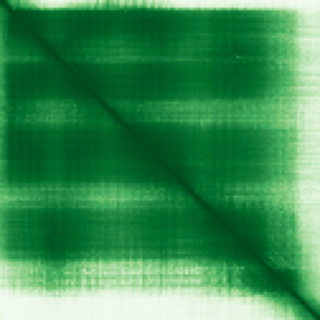
Mean pLDDT
88.4/ 100
Confident
126 residues
Confidence breakdown
- Very high(≥ 90)68%
- Confident(70–90)21%
- Low(50–70)7%
- Very low(< 50)3%
Open interactive 3D viewer
AlphaFold (Jumper et al., 2021) · CC BY 4.0
ubiquinol-cytochrome c reductase complex assembly factor 2
Annotations refreshed 2 months ago.
Diagnostic Grade (Green)
Likely inborn error of metabolism
BIALLELIC, autosomal or pseudoautosomalMitochondrial disorder with complex III deficiency
BIALLELIC, autosomal or pseudoautosomalMitochondrial disorders
BIALLELIC, autosomal or pseudoautosomalPossible mitochondrial disorder - nuclear genes
BIALLELIC, autosomal or pseudoautosomalFetal anomalies
BIALLELIC, autosomal or pseudoautosomalPaediatric or syndromic cardiomyopathy
BIALLELIC, autosomal or pseudoautosomalClefting
BIALLELIC, autosomal or pseudoautosomalIsolated CoQ-cytochrome C reductase deficiency
immunodeficiency 133 with ectodermal dysplasia with or without peripheral neuropathy
mitochondrial complex III deficiency
rheumatoid arthritis
neurodegenerative disease
sarcoidosis
hypothyroidism
Alzheimer disease
Parkinson disease
multiple sclerosis
Score is the Open Targets composite evidence score (0-1). Higher = stronger gene-disease association.
Ubiquinol-cytochrome c reductase complex assembly factor 2
Required for the assembly of the ubiquinol-cytochrome c reductase complex (mitochondrial respiratory chain complex III or cytochrome b-c1 complex). Plays a role in the modulation of respiratory chain activities such as oxygen consumption and ATP production and via its modulation of the respiratory chain activity can regulate skeletal muscle differentiation and insulin secretion by pancreatic beta-cells. Involved in cytochrome b translation and/or stability
UQCC2 · Q9BRT2
Mean pLDDT
88.4/ 100
Confident
126 residues
Confidence breakdown
AlphaFold (Jumper et al., 2021) · CC BY 4.0