
AlphaFold predicted structure
UROS · P10746
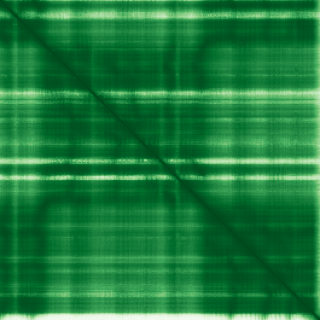
Mean pLDDT
93.1/ 100
Very high
265 residues
Confidence breakdown
- Very high(≥ 90)83%
- Confident(70–90)14%
- Low(50–70)1%
- Very low(< 50)1%
Open interactive 3D viewer
AlphaFold (Jumper et al., 2021) · CC BY 4.0
uroporphyrinogen III synthase
Annotations refreshed 2 months ago.
Diagnostic Grade (Green)
Cutaneous photosensitivity with a likely genetic cause
BIALLELIC, autosomal or pseudoautosomalCytopenias and congenital anaemias
BIALLELIC, autosomal or pseudoautosomalDDG2P
BIALLELIC, autosomal or pseudoautosomalFetal anomalies
BIALLELIC, autosomal or pseudoautosomalLikely inborn error of metabolism
BIALLELIC, autosomal or pseudoautosomalNon-acute porphyrias
BIALLELIC, autosomal or pseudoautosomalUndiagnosed metabolic disorders
BIALLELIC, autosomal or pseudoautosomalChildhood onset dystonia, chorea or related movement disorder
+2 more panels — install the extension to see the full list inline on any page.
Congenital erythropoietic porphyria
cutaneous porphyria
neurodegenerative disease
hereditary disease
lamellar ichthyosis
acrokeratosis verruciformis
exfoliative ichthyosis
erythrokeratodermia variabilis
epidermolysis bullosa simplex 2E, with migratory circinate erythema
Epidermolysis bullosa simplex with circinate migratory erythema
Score is the Open Targets composite evidence score (0-1). Higher = stronger gene-disease association.
Uroporphyrinogen-III synthase
Catalyzes cyclization of the linear tetrapyrrole, hydroxymethylbilane, to the macrocyclic uroporphyrinogen III, the branch point for the various sub-pathways leading to the wide diversity of porphyrins (PubMed:11689424, PubMed:18004775). Porphyrins act as cofactors for a multitude of enzymes that perform a variety of processes within the cell such as methionine synthesis (vitamin B12) or oxygen transport (heme) (PubMed:11689424, PubMed:18004775)
UROS · P10746
Mean pLDDT
93.1/ 100
Very high
265 residues
Confidence breakdown
AlphaFold (Jumper et al., 2021) · CC BY 4.0