Skip to content
GenoLensGenoLens

USH2A

Chr 1q41

usherin

Aliases:
RP39
MANE:
ENST00000307340.8

Annotations refreshed 9 hours ago.

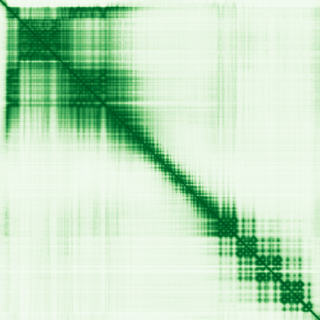
Predicted protein structure

Clinical relevance (Genomics England PanelApp)

Diagnostic Grade (Green)

  • Monogenic hearing loss

    BIALLELIC, autosomal or pseudoautosomal
  • Retinal disorders

    BIALLELIC, autosomal or pseudoautosomal
  • Glaucoma (developmental)

  • Primary ciliary disorders

  • Rare multisystem ciliopathy disorders

  • Skeletal dysplasia

  • Structural eye disease

    BIALLELIC, autosomal or pseudoautosomal
  • Thoracic dystrophies

Disease associations (Open Targets)

  • Usher syndrome type 2A

    0.84
  • retinitis pigmentosa

    0.84
  • Usher syndrome

    0.75
  • Usher syndrome type 2

    0.74
  • Retinal dystrophy

    0.62
  • retinal disorder

    0.60
  • Rare genetic deafness

    0.56
  • hereditary disease

    0.53
  • Cone rod dystrophy

    0.52
  • cone-rod dystrophy

    0.51

Score is the Open Targets composite evidence score (0-1). Higher = stronger gene-disease association.

Protein function (UniProt)

Usherin

Involved in hearing and vision as member of the USH2 complex. In the inner ear, required for the maintenance of the hair bundle ankle formation, which connects growing stereocilia in developing cochlear hair cells. In retina photoreceptors, the USH2 complex is required for the maintenance of periciliary membrane complex that seems to play a role in regulating intracellular protein transport

Curated MONDO disease pages that list USH2A among their top associated genes.

Data sources: HGNC (CC BY 4.0), AlphaFold (CC BY 4.0, Jumper et al. Nature 2021), Genomics England PanelApp (CC BY 4.0), ClinGen, Open Targets (CC0), UniProt.

Not for sole clinical decision-making. Always verify against primary sources.