Skip to content
GenoLensGenoLens

USP14

Chr 18p11.32

ubiquitin specific peptidase 14

Aliases:
TGT, Ubp6
MANE:
ENST00000261601.8

Annotations refreshed 9 hours ago.

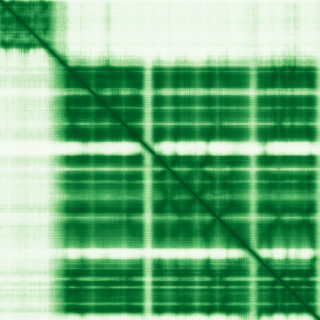
Predicted protein structure

Clinical relevance (Genomics England PanelApp)

Diagnostic Grade (Green)

  • DDG2P

    BIALLELIC, autosomal or pseudoautosomal
  • Fetal anomalies

    BIALLELIC, autosomal or pseudoautosomal

Disease associations (Open Targets)

  • distal arthrogryposis

    0.38
  • Abnormality of the skeletal system

    0.37
  • diabetes mellitus

    0.27
  • complex neurodevelopmental disorder

    0.18
  • neoplasm

    0.11
  • hepatocellular carcinoma

    0.11
  • gastric cancer

    0.11
  • glioblastoma

    0.10
  • breast cancer

    0.10
  • breast carcinoma

    0.10

Score is the Open Targets composite evidence score (0-1). Higher = stronger gene-disease association.

Protein function (UniProt)

Ubiquitin carboxyl-terminal hydrolase 14

Proteasome-associated deubiquitinase which releases ubiquitin from the proteasome targeted ubiquitinated proteins (PubMed:35145029). Ensures the regeneration of ubiquitin at the proteasome (PubMed:18162577, PubMed:28396413). Is a reversibly associated subunit of the proteasome and a large fraction of proteasome-free protein exists within the cell (PubMed:18162577). Required for the degradation of the chemokine receptor CXCR4 which is critical for CXCL12-induced cell chemotaxis (PubMed:19106094). Also serves as a physiological inhibitor of endoplasmic reticulum-associated degradation (ERAD) under the non-stressed condition by inhibiting the degradation of unfolded endoplasmic reticulum proteins via interaction with ERN1 (PubMed:19135427). Indispensable for synaptic development and function at neuromuscular junctions (NMJs) (By similarity). Plays a role in the innate immune defense against viruses by stabilizing the viral DNA sensor CGAS and thus inhibiting its autophagic degradation (PubMed:27666593). Inhibits OPTN-mediated selective autophagic degradation of KDM4D and thereby negatively regulates H3K9me2 and H3K9me3 (PubMed:35145029)

Data sources: HGNC (CC BY 4.0), AlphaFold (CC BY 4.0, Jumper et al. Nature 2021), Genomics England PanelApp (CC BY 4.0), ClinGen, Open Targets (CC0), UniProt.

Not for sole clinical decision-making. Always verify against primary sources.