Skip to content
GenoLensGenoLens

USP18

Chr 22q11.21

ubiquitin specific peptidase 18

MANE:
ENST00000215794.8

Annotations refreshed 1 month ago.

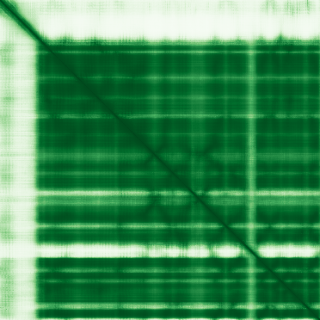
Predicted protein structure

Clinical relevance (Genomics England PanelApp)

Diagnostic Grade (Green)

  • COVID-19 research

    BIALLELIC, autosomal or pseudoautosomal
  • DDG2P

    BIALLELIC, autosomal or pseudoautosomal
  • Early onset or syndromic epilepsy

    BIALLELIC, autosomal or pseudoautosomal
  • Fetal anomalies

    BIALLELIC, autosomal or pseudoautosomal
  • Intracerebral calcification disorders

    BIALLELIC, autosomal or pseudoautosomal
  • Primary immunodeficiency or monogenic inflammatory bowel disease

    BIALLELIC, autosomal or pseudoautosomal
  • White matter disorders and cerebral calcification - narrow panel

    BIALLELIC, autosomal or pseudoautosomal
  • Cytopenias and congenital anaemias

    BIALLELIC, autosomal or pseudoautosomal

+1 more panels — install the extension to see the full list inline on any page.

Disease associations (Open Targets)

  • Congenital intrauterine infection-like syndrome

    0.73
  • pseudo-TORCH syndrome

    0.37
  • atrial fibrillation

    0.36
  • systemic lupus erythematosus

    0.30
  • hereditary disease

    0.19
  • melanoma

    0.16
  • ovarian carcinoma

    0.16
  • exocrine pancreatic carcinoma

    0.15
  • neoplasm

    0.11
  • lung carcinoma

    0.10

Score is the Open Targets composite evidence score (0-1). Higher = stronger gene-disease association.

Protein function (UniProt)

Ubl carboxyl-terminal hydrolase 18

Interferon-induced ISG15-specific protease that plays a crucial role for maintaining a proper balance of ISG15-conjugated proteins in cells (PubMed:11788588). Regulates protein ISGylation by efficiently cleaving ISG15 conjugates linked via isopeptide bonds. Regulates T-cell activation and T-helper 17 (Th17) cell differentiation by deubiquitinating TAK1, likely to keep TAK1-TAB complexes in steady conditions (PubMed:23825189). In turn, restricts activation of NF-kappa-B, NFAT, and JNK as well as expression of IL2 in T-cells after TCR activation (PubMed:23825189). Acts as a molecular adapter with USP20 to promote innate antiviral response through deubiquitinating STING1 (PubMed:27801882). Involved also in the negative regulation of the inflammatory response triggered by type I interferon (PubMed:27325888, PubMed:28165510). Upon recruitment by STAT2 to the type I interferon receptor subunit IFNAR2 interferes with the assembly of the ternary interferon-IFNAR1-IFNAR2 complex and acts as a negative regulator of the type I interferon signaling pathway (PubMed:28165510)

Data sources: HGNC (CC BY 4.0), AlphaFold (CC BY 4.0, Jumper et al. Nature 2021), Genomics England PanelApp (CC BY 4.0), ClinGen, Open Targets (CC0), UniProt.

Not for sole clinical decision-making. Always verify against primary sources.