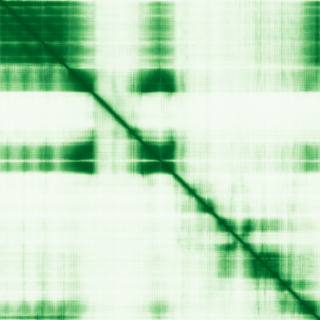
UV-stimulated scaffold protein A
Factor involved in transcription-coupled nucleotide excision repair (TC-NER), a mechanism that rapidly removes RNA polymerase II-blocking lesions from the transcribed strand of active genes (PubMed:22466610, PubMed:22466611, PubMed:22466612, PubMed:32142649, PubMed:32355176, PubMed:34526721, PubMed:38316879, PubMed:38600235, PubMed:38600236). Acts as a key adapter that promotes recruitment of factors involved in TC-NER (PubMed:22466611, PubMed:22466612, PubMed:32142649, PubMed:32355176, PubMed:34526721, PubMed:38600235, PubMed:38600236). Facilitates the ubiquitination of the elongating form of RNA polymerase II (RNA pol IIo) at DNA damage sites, thereby promoting RNA pol IIo backtracking and access by the TC-NER machinery to lesion sites (PubMed:22466611, PubMed:32142649). Also promotes stabilization of ERCC6/CSB by recruiting deubiquitinating enzyme USP7 to TC-NER complexes, preventing UV-induced degradation of ERCC6 by the proteasome (PubMed:22466611, PubMed:22466612). Mediates the recruitment of the TFIIH complex and other factors that are required for nucleotide excision repair to RNA polymerase II (PubMed:32142649, PubMed:32355176, PubMed:34526721, PubMed:38600235, PubMed:38600236). Also required to inactivate stalled RNA polymerase II by blocking the access of TCEA1/TFIIS, thereby preventing reactivation of RNA polymerase II (PubMed:38316879). Not involved in processing oxidative damage (PubMed:22466612)