AlphaFold predicted structure
VKORC1 · Q9BQB6
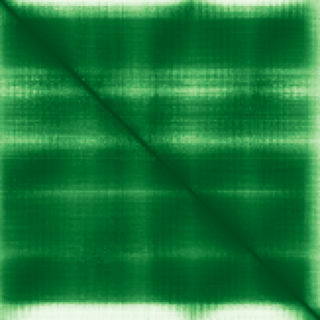
Mean pLDDT
91.6/ 100
Very high
163 residues
Confidence breakdown
- Very high(≥ 90)82%
- Confident(70–90)12%
- Low(50–70)3%
- Very low(< 50)3%
AlphaFold (Jumper et al., 2021) · CC BY 4.0
vitamin K epoxide reductase complex subunit 1
Annotations refreshed 10 hours ago.
Diagnostic Grade (Green)
Bleeding and platelet disorders
BOTH monoallelic and biallelic (but BIALLELIC mutations cause a more SEVERE disease form), autosomal or pseudoautosomalCombined vitamin K-dependent clotting factor deficiency
BIALLELIC, autosomal or pseudoautosomalInherited bleeding disorders
BOTH monoallelic and biallelic (but BIALLELIC mutations cause a more SEVERE disease form), autosomal or pseudoautosomalLikely inborn error of metabolism
BOTH monoallelic and biallelic (but BIALLELIC mutations cause a more SEVERE disease form), autosomal or pseudoautosomalUndiagnosed metabolic disorders
BOTH monoallelic and biallelic (but BIALLELIC mutations cause a more SEVERE disease form), autosomal or pseudoautosomalChildhood onset dystonia, chorea or related movement disorder
Hereditary combined deficiency of vitamin K-dependent clotting factors
vitamin K-dependent clotting factors, combined deficiency of, type 2
atrial fibrillation
thrombotic disease
pulmonary embolism
Recurrent thrombophlebitis
myocardial infarction
stroke disorder
Venous thrombosis
venous thromboembolism
Score is the Open Targets composite evidence score (0-1). Higher = stronger gene-disease association.
Vitamin K epoxide reductase complex subunit 1
Involved in vitamin K metabolism. Catalytic subunit of the vitamin K epoxide reductase (VKOR) complex which reduces inactive vitamin K 2,3-epoxide to active vitamin K. Vitamin K is required for the gamma-carboxylation of various proteins, including clotting factors, and is required for normal blood coagulation, but also for normal bone development
VKORC1 · Q9BQB6

Mean pLDDT
91.6/ 100
Very high
163 residues
Confidence breakdown
AlphaFold (Jumper et al., 2021) · CC BY 4.0