
AlphaFold predicted structure
WARS2 · Q9UGM6
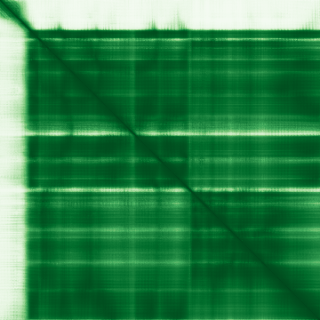
Mean pLDDT
89.8/ 100
Confident
360 residues
Confidence breakdown
- Very high(≥ 90)80%
- Confident(70–90)9%
- Low(50–70)4%
- Very low(< 50)7%
Open interactive 3D viewer
AlphaFold (Jumper et al., 2021) · CC BY 4.0
tryptophanyl tRNA synthetase 2, mitochondrial
Annotations refreshed 3 months ago.
Diagnostic Grade (Green)
Early onset or syndromic epilepsy
BIALLELIC, autosomal or pseudoautosomalIntellectual disability
BIALLELIC, autosomal or pseudoautosomalLikely inborn error of metabolism
BIALLELIC, autosomal or pseudoautosomalMitochondrial disorders
BIALLELIC, autosomal or pseudoautosomalPossible mitochondrial disorder - nuclear genes
BIALLELIC, autosomal or pseudoautosomalWhite matter disorders and cerebral calcification - narrow panel
BIALLELIC, autosomal or pseudoautosomalFetal anomalies
BIALLELIC, autosomal or pseudoautosomalneurodevelopmental disorder, mitochondrial, with abnormal movements and lactic acidosis, with or without seizures
parkinsonism-dystonia 3, childhood-onset
neurodegenerative disease
hereditary disease
androgenetic alopecia
mitochondrial disease
inborn mitochondrial metabolism disorder
Infantile dystonia-parkinsonism
parkinsonism-dystonia, infantile
colorectal cancer
Score is the Open Targets composite evidence score (0-1). Higher = stronger gene-disease association.
Tryptophan--tRNA ligase, mitochondrial
Catalyzes the attachment of tryptophan to tRNA(Trp) in a two-step reaction: tryptophan is first activated by ATP to form Trp-AMP and then transferred to the acceptor end of tRNA(Trp)
WARS2 · Q9UGM6
Mean pLDDT
89.8/ 100
Confident
360 residues
Confidence breakdown
AlphaFold (Jumper et al., 2021) · CC BY 4.0