AlphaFold predicted structure
WDR11 · Q9BZH6
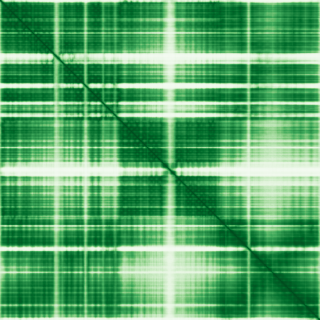
Mean pLDDT
83.4/ 100
Confident
1,224 residues
Confidence breakdown
- Very high(≥ 90)50%
- Confident(70–90)35%
- Low(50–70)6%
- Very low(< 50)9%
AlphaFold (Jumper et al., 2021) · CC BY 4.0
WD repeat domain 11
Annotations refreshed 10 hours ago.
Diagnostic Grade (Green)
DDG2P
BIALLELIC, autosomal or pseudoautosomalHypogonadotropic hypogonadism
MONOALLELIC, autosomal or pseudoautosomal, imprinted status unknownHypogonadotropic hypogonadism (GMS)
MONOALLELIC, autosomal or pseudoautosomal, imprinted status unknownSevere microcephaly
BIALLELIC, autosomal or pseudoautosomalFetal anomalies
BIALLELIC, autosomal or pseudoautosomalIntellectual disability
BIALLELIC, autosomal or pseudoautosomalPituitary hormone deficiency
MONOALLELIC, autosomal or pseudoautosomal, imprinted status unknownisolated congenital hypogonadotropic hypogonadism
intellectual developmental disorder, autosomal recessive 78
Kallmann syndrome
hypogonadotropic hypogonadism 14 with or without anosmia
microcephaly
hypogonadotropic hypogonadism
type 2 diabetes mellitus
prostate carcinoma
benign prostatic hyperplasia
Intellectual disability
Score is the Open Targets composite evidence score (0-1). Higher = stronger gene-disease association.
WD repeat-containing protein 11
Involved in the Hedgehog (Hh) signaling pathway, is essential for normal ciliogenesis (PubMed:29263200). Regulates the proteolytic processing of GLI3 and cooperates with the transcription factor EMX1 in the induction of downstream Hh pathway gene expression and gonadotropin-releasing hormone production (PubMed:29263200). WDR11 complex facilitates the tethering of Adaptor protein-1 complex (AP-1)-derived vesicles. WDR11 complex acts together with TBC1D23 to facilitate the golgin-mediated capture of vesicles generated using AP-1 (PubMed:29426865)
Curated MONDO disease pages that list WDR11 among their top associated genes.
WDR11 · Q9BZH6

Mean pLDDT
83.4/ 100
Confident
1,224 residues
Confidence breakdown
AlphaFold (Jumper et al., 2021) · CC BY 4.0