Skip to content
GenoLensGenoLens

WDR37

Chr 10p15.3

WD repeat domain 37

Aliases:
KIAA0982
MANE:
ENST00000263150.9

Annotations refreshed 1 month ago.

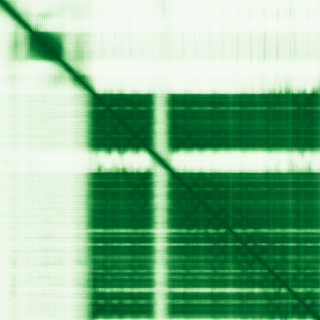
Predicted protein structure

Clinical relevance (Genomics England PanelApp)

Diagnostic Grade (Green)

  • DDG2P

    MONOALLELIC, autosomal or pseudoautosomal, imprinted status unknown
  • Early onset or syndromic epilepsy

    MONOALLELIC, autosomal or pseudoautosomal, imprinted status unknown
  • Fetal anomalies

    MONOALLELIC, autosomal or pseudoautosomal, NOT imprinted
  • Intellectual disability

    MONOALLELIC, autosomal or pseudoautosomal, imprinted status unknown
  • Severe microcephaly

    MONOALLELIC, autosomal or pseudoautosomal, NOT imprinted
  • Structural eye disease

    MONOALLELIC, autosomal or pseudoautosomal, imprinted status unknown
  • Cerebellar hypoplasia

    MONOALLELIC, autosomal or pseudoautosomal, NOT imprinted

Disease associations (Open Targets)

  • neurooculocardiogenitourinary syndrome

    0.77
  • coloboma

    0.47
  • syndromic intellectual disability

    0.46
  • hereditary disease

    0.45
  • isolated cerebellar hypoplasia/agenesis

    0.39
  • Intellectual disability

    0.38
  • epilepsy

    0.38
  • Peters anomaly

    0.37
  • autism

    0.37
  • Microcornea

    0.37

Score is the Open Targets composite evidence score (0-1). Higher = stronger gene-disease association.

Protein function (UniProt)

WD repeat-containing protein 37

Required for normal ER Ca2+ handling in lymphocytes. Together with PACS1, it plays an essential role in stabilizing peripheral lymphocyte populations

Curated MONDO disease pages that list WDR37 among their top associated genes.

Data sources: HGNC (CC BY 4.0), AlphaFold (CC BY 4.0, Jumper et al. Nature 2021), Genomics England PanelApp (CC BY 4.0), ClinGen, Open Targets (CC0), UniProt.

Not for sole clinical decision-making. Always verify against primary sources.