
AlphaFold predicted structure
WDR83OS · Q9Y284
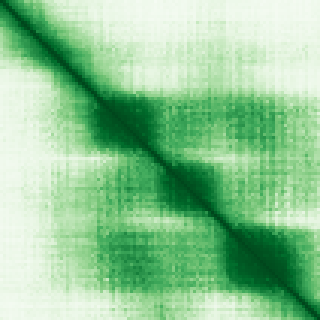
Mean pLDDT
62.1/ 100
Low
106 residues
Confidence breakdown
- Very high(≥ 90)0%
- Confident(70–90)22%
- Low(50–70)75%
- Very low(< 50)4%
Open interactive 3D viewer
AlphaFold (Jumper et al., 2021) · CC BY 4.0
WD repeat domain 83 opposite strand
Annotations refreshed 2 months ago.
Diagnostic Grade (Green)
DDG2P
BIALLELIC, autosomal or pseudoautosomalIntellectual disability
BIALLELIC, autosomal or pseudoautosomalCholestasis
BIALLELIC, autosomal or pseudoautosomalNeonatal cholestasis
BIALLELIC, autosomal or pseudoautosomalneurodevelopmental disorder with variable familial hypercholanemia
hypercholanemia, familial
neurodevelopmental disorder with seizures and speech and walking impairment
Cholestatic liver disease
neurodevelopmental disorder
Intellectual disability
melanoma
nervous system disorder
microcephaly
hepatocellular carcinoma
Score is the Open Targets composite evidence score (0-1). Higher = stronger gene-disease association.
PAT complex subunit Asterix
Component of the multi-pass translocon (MPT) complex that mediates insertion of multi-pass membrane proteins into the lipid bilayer of membranes (PubMed:12475939, PubMed:32814900, PubMed:36261522). The MPT complex takes over after the SEC61 complex: following membrane insertion of the first few transmembrane segments of proteins by the SEC61 complex, the MPT complex occludes the lateral gate of the SEC61 complex to promote insertion of subsequent transmembrane regions (PubMed:32814900, PubMed:36261522). Within the MPT complex, the PAT subcomplex sequesters any highly polar regions in the transmembrane domains away from the non-polar membrane environment until they can be buried in the interior of the fully assembled protein (By similarity). Within the PAT subcomplex, WDR83OS/Asterix binds to and redirects the substrate to a location behind the SEC61 complex (By similarity)
WDR83OS · Q9Y284
Mean pLDDT
62.1/ 100
Low
106 residues
Confidence breakdown
AlphaFold (Jumper et al., 2021) · CC BY 4.0