
AlphaFold predicted structure
WNT3 · P56703
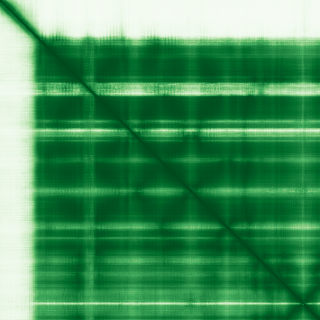
Mean pLDDT
88.3/ 100
Confident
355 residues
Confidence breakdown
- Very high(≥ 90)70%
- Confident(70–90)19%
- Low(50–70)6%
- Very low(< 50)5%
Open interactive 3D viewer
AlphaFold (Jumper et al., 2021) · CC BY 4.0
Wnt family member 3
Annotations refreshed 2 months ago.
Diagnostic Grade (Green)
DDG2P
BIALLELIC, autosomal or pseudoautosomalFetal anomalies
BIALLELIC, autosomal or pseudoautosomalHydrocephalus
BIALLELIC, autosomal or pseudoautosomalClefting
BIALLELIC, autosomal or pseudoautosomalIntellectual disability
BIALLELIC, autosomal or pseudoautosomalSkeletal dysplasia
BIALLELIC, autosomal or pseudoautosomalStructural eye disease
BIALLELIC, autosomal or pseudoautosomalVACTERL-like phenotypes
neurodegenerative disease
tetra-amelia
Tetraamelia - multiple malformations
tetraamelia-multiple malformations syndrome
alcohol drinking
atrial fibrillation
Snoring
Abnormality of the skeletal system
Parkinson disease
hypertensive disorder
Score is the Open Targets composite evidence score (0-1). Higher = stronger gene-disease association.
Proto-oncogene Wnt-3
Ligand for members of the frizzled family of seven transmembrane receptors (Probable). Functions in the canonical Wnt signaling pathway that results in activation of transcription factors of the TCF/LEF family (PubMed:26902720). Required for normal gastrulation, formation of the primitive streak, and for the formation of the mesoderm during early embryogenesis. Required for normal formation of the apical ectodermal ridge (By similarity). Required for normal embryonic development, and especially for limb development (PubMed:14872406)
WNT3 · P56703
Mean pLDDT
88.3/ 100
Confident
355 residues
Confidence breakdown
AlphaFold (Jumper et al., 2021) · CC BY 4.0