
AlphaFold predicted structure
XRCC2 · O43543
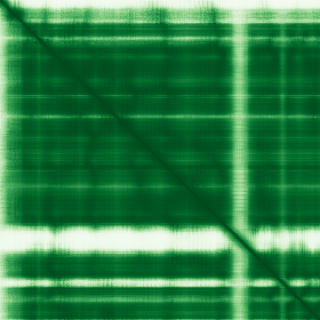
Mean pLDDT
87.1/ 100
Confident
280 residues
Confidence breakdown
- Very high(≥ 90)67%
- Confident(70–90)20%
- Low(50–70)6%
- Very low(< 50)7%
Open interactive 3D viewer
AlphaFold (Jumper et al., 2021) · CC BY 4.0
X-ray repair cross complementing 2
Annotations refreshed 2 months ago.
Diagnostic Grade (Green)
COVID-19 research
BIALLELIC, autosomal or pseudoautosomalHaematological malignancies cancer susceptibility
BIALLELIC, autosomal or pseudoautosomalHaematological malignancies for rare disease
BIALLELIC, autosomal or pseudoautosomalConfirmed Fanconi anaemia or Bloom syndrome
BIALLELIC, autosomal or pseudoautosomalPigmentary skin disorders
BIALLELIC, autosomal or pseudoautosomalFamilial breast cancer
Inherited ovarian cancer (without breast cancer)
spermatogenic failure 50
Fanconi anemia
hereditary neoplastic syndrome
Inherited cancer-predisposing syndrome
cancer
Fanconi anemia complementation group U
myelodysplastic syndrome
acute myeloid leukemia
premature ovarian failure 17
primary ovarian failure
Score is the Open Targets composite evidence score (0-1). Higher = stronger gene-disease association.
DNA repair protein XRCC2
Involved in the homologous recombination repair (HRR) pathway of double-stranded DNA, thought to repair chromosomal fragmentation, translocations and deletions. Part of the RAD51 paralog protein complex BCDX2 which acts in the BRCA1-BRCA2-dependent HR pathway. Upon DNA damage, BCDX2 acts downstream of BRCA2 recruitment and upstream of RAD51 recruitment. BCDX2 binds predominantly to the intersection of the four duplex arms of the Holliday junction and to junction of replication forks. The BCDX2 complex was originally reported to bind single-stranded DNA, single-stranded gaps in duplex DNA and specifically to nicks in duplex DNA
Curated MONDO disease pages that list XRCC2 among their top associated genes.
XRCC2 · O43543
Mean pLDDT
87.1/ 100
Confident
280 residues
Confidence breakdown
AlphaFold (Jumper et al., 2021) · CC BY 4.0