
AlphaFold predicted structure
YWHAG · P61981
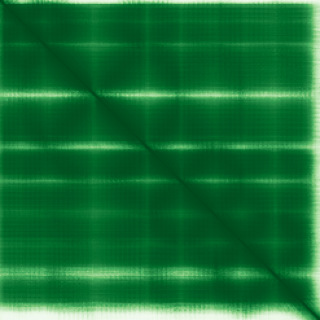
Mean pLDDT
94.2/ 100
Very high
247 residues
Confidence breakdown
- Very high(≥ 90)89%
- Confident(70–90)7%
- Low(50–70)1%
- Very low(< 50)2%
Open interactive 3D viewer
AlphaFold (Jumper et al., 2021) · CC BY 4.0
tyrosine 3-monooxygenase/tryptophan 5-monooxygenase activation protein gamma
Annotations refreshed 2 months ago.
Diagnostic Grade (Green)
DDG2P
MONOALLELIC, autosomal or pseudoautosomal, imprinted status unknownEarly onset or syndromic epilepsy
MONOALLELIC, autosomal or pseudoautosomal, imprinted status unknownIntellectual disability
MONOALLELIC, autosomal or pseudoautosomal, imprinted status unknownFetal anomalies
MONOALLELIC, autosomal or pseudoautosomal, imprinted status unknowngenetic developmental and epileptic encephalopathy
epilepsy, early-onset
hereditary disease
undetermined early-onset epileptic encephalopathy
Intellectual disability
Seizure
COVID-19
severe acute respiratory syndrome
Severe global developmental delay
Spasticity
Score is the Open Targets composite evidence score (0-1). Higher = stronger gene-disease association.
14-3-3 protein gamma
Adapter protein implicated in the regulation of a large spectrum of both general and specialized signaling pathways (PubMed:15696159, PubMed:16511572, PubMed:36732624). Binds to a large number of partners, usually by recognition of a phosphoserine or phosphothreonine motif (PubMed:15696159, PubMed:16511572, PubMed:36732624). Binding generally results in the modulation of the activity of the binding partner (PubMed:16511572). Promotes inactivation of WDR24 component of the GATOR2 complex by binding to phosphorylated WDR24 (PubMed:36732624). Participates in the positive regulation of NMDA glutamate receptor activity by promoting the L-glutamate secretion through interaction with BEST1 (PubMed:29121962). Reduces keratinocyte intercellular adhesion, via interacting with PKP1 and sequestering it in the cytoplasm, thereby reducing its incorporation into desmosomes (PubMed:29678907). Plays a role in mitochondrial protein catabolic process (also named MALM) that promotes the degradation of damaged proteins inside mitochondria (PubMed:22532927)
Curated MONDO disease pages that list YWHAG among their top associated genes.
YWHAG · P61981
Mean pLDDT
94.2/ 100
Very high
247 residues
Confidence breakdown
AlphaFold (Jumper et al., 2021) · CC BY 4.0