AlphaFold predicted structure
ZMYND10 · O75800
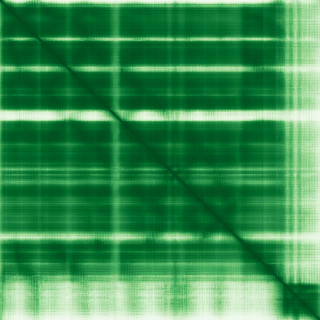
Mean pLDDT
88.8/ 100
Confident
440 residues
Confidence breakdown
- Very high(≥ 90)64%
- Confident(70–90)29%
- Low(50–70)5%
- Very low(< 50)3%
AlphaFold (Jumper et al., 2021) · CC BY 4.0
zinc finger MYND-type containing 10
Annotations refreshed 10 hours ago.
Diagnostic Grade (Green)
DDG2P
BIALLELIC, autosomal or pseudoautosomalFetal anomalies
BIALLELIC, autosomal or pseudoautosomalLaterality disorders and isomerism
BIALLELIC, autosomal or pseudoautosomalPrimary ciliary disorders
BIALLELIC, autosomal or pseudoautosomalRespiratory ciliopathies including non-CF bronchiectasis
BIALLELIC, autosomal or pseudoautosomalRare multisystem ciliopathy disorders
BIALLELIC, autosomal or pseudoautosomalprimary ciliary dyskinesia
hereditary disease
nasopharyngeal carcinoma
breast cancer
breast carcinoma
Congenital pulmonary alveolar proteinosis
neoplasm
Neonatal acute respiratory distress with surfactant metabolism deficiency
schizophrenia
autoimmune pulmonary alveolar proteinosis
Score is the Open Targets composite evidence score (0-1). Higher = stronger gene-disease association.
Zinc finger MYND domain-containing protein 10
Plays a role in axonemal structure organization and motility (PubMed:23891469, PubMed:23891471). Involved in axonemal pre-assembly of inner and outer dynein arms (IDA and ODA, respectively) for proper axoneme building for cilia motility (By similarity). May act by indirectly regulating transcription of dynein proteins (By similarity)
Curated MONDO disease pages that list ZMYND10 among their top associated genes.
ZMYND10 · O75800

Mean pLDDT
88.8/ 100
Confident
440 residues
Confidence breakdown
AlphaFold (Jumper et al., 2021) · CC BY 4.0