Skip to content
GenoLensGenoLens

CDH23

Chr 10q22.1

cadherin related 23

Aliases:
CDHR23
MANE:
ENST00000224721.12

Annotations refreshed 1 month ago.

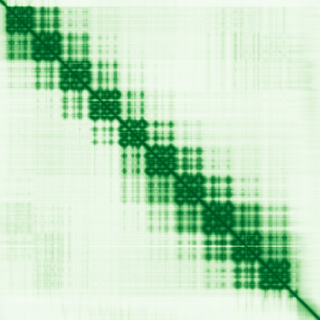
Predicted protein structure

Clinical relevance (Genomics England PanelApp)

Diagnostic Grade (Green)

  • DDG2P

    BIALLELIC, autosomal or pseudoautosomal
  • Monogenic hearing loss

    BIALLELIC, autosomal or pseudoautosomal
  • Retinal disorders

    BIALLELIC, autosomal or pseudoautosomal
  • Glaucoma (developmental)

  • Intellectual disability

    BIALLELIC, autosomal or pseudoautosomal
  • Primary ciliary disorders

  • Rare multisystem ciliopathy disorders

  • Skeletal dysplasia

+3 more panels — install the extension to see the full list inline on any page.

Disease associations (Open Targets)

  • Usher syndrome

    0.78
  • Usher syndrome type 1

    0.76
  • hearing loss, autosomal recessive

    0.75
  • deafness

    0.72
  • pituitary gland adenoma

    0.62
  • nonsyndromic genetic hearing loss

    0.59
  • pituitary adenoma 5, multiple types

    0.57
  • Rare genetic deafness

    0.57
  • Retinal dystrophy

    0.55
  • Sensorineural hearing impairment

    0.54

Score is the Open Targets composite evidence score (0-1). Higher = stronger gene-disease association.

Protein function (UniProt)

Cadherin-23

Cadherins are calcium-dependent cell adhesion proteins. They preferentially interact with themselves in a homophilic manner in connecting cells. CDH23 is required for establishing and/or maintaining the proper organization of the stereocilia bundle of hair cells in the cochlea and the vestibule during late embryonic/early postnatal development. It is part of the functional network formed by USH1C, USH1G, CDH23 and MYO7A that mediates mechanotransduction in cochlear hair cells. Required for normal hearing

Curated MONDO disease pages that list CDH23 among their top associated genes.

Data sources: HGNC (CC BY 4.0), AlphaFold (CC BY 4.0, Jumper et al. Nature 2021), Genomics England PanelApp (CC BY 4.0), ClinGen, Open Targets (CC0), UniProt.

Not for sole clinical decision-making. Always verify against primary sources.