Skip to content
GenoLensGenoLens

ERLIN2

Chr 8p11.23

ER lipid raft associated 2

Aliases:
NET32, Erlin-2
MANE:
ENST00000519638.3

Annotations refreshed 1 month ago.

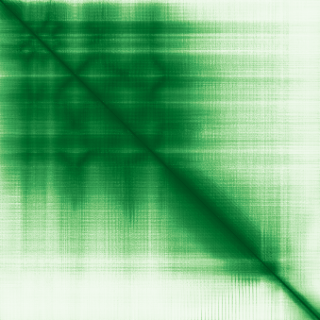
Predicted protein structure

Clinical relevance (Genomics England PanelApp)

Diagnostic Grade (Green)

  • Adult onset hereditary spastic paraplegia

    BOTH monoallelic and biallelic, autosomal or pseudoautosomal
  • Childhood onset hereditary spastic paraplegia

    BOTH monoallelic and biallelic, autosomal or pseudoautosomal
  • Hereditary spastic paraplegia

    BOTH monoallelic and biallelic, autosomal or pseudoautosomal
  • Intellectual disability

    BIALLELIC, autosomal or pseudoautosomal
  • Adult onset neurodegenerative disorder

    BOTH monoallelic and biallelic, autosomal or pseudoautosomal
  • DDG2P

    BIALLELIC, autosomal or pseudoautosomal

Disease associations (Open Targets)

  • hereditary spastic paraplegia 18

    0.75
  • Autosomal recessive spastic paraplegia type 18

    0.72
  • hereditary spastic paraplegia

    0.63
  • spastic paraplegia 18b, autosomal recessive

    0.62
  • cancer

    0.59
  • autosomal dominant complex spastic paraplegia

    0.57
  • bone development disease

    0.56
  • Spastic paraplegia

    0.54
  • Neurodegeneration

    0.50
  • neurodegenerative disease

    0.50

Score is the Open Targets composite evidence score (0-1). Higher = stronger gene-disease association.

Protein function (UniProt)

Erlin-2

Component of the ERLIN1/ERLIN2 complex which mediates the endoplasmic reticulum-associated degradation (ERAD) of inositol 1,4,5-trisphosphate receptors (IP3Rs) such as ITPR1 (PubMed:17502376, PubMed:19240031). Promotes sterol-accelerated ERAD of HMGCR probably implicating an AMFR/gp78-containing ubiquitin ligase complex (PubMed:21343306). Involved in regulation of cellular cholesterol homeostasis by regulation the SREBP signaling pathway. May promote ER retention of the SCAP-SREBF complex (PubMed:24217618)

Curated MONDO disease pages that list ERLIN2 among their top associated genes.

Data sources: HGNC (CC BY 4.0), AlphaFold (CC BY 4.0, Jumper et al. Nature 2021), Genomics England PanelApp (CC BY 4.0), ClinGen, Open Targets (CC0), UniProt.

Not for sole clinical decision-making. Always verify against primary sources.