
AlphaFold predicted structure
SOD1 · P00441
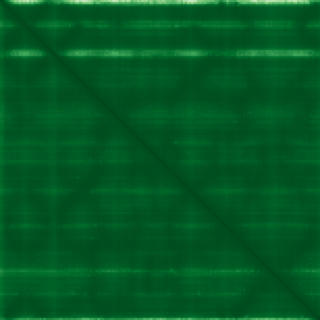
Mean pLDDT
97.9/ 100
Very high
154 residues
Confidence breakdown
- Very high(≥ 90)98%
- Confident(70–90)2%
- Low(50–70)0%
- Very low(< 50)0%
Open interactive 3D viewer
AlphaFold (Jumper et al., 2021) · CC BY 4.0
superoxide dismutase 1
Annotations refreshed 2 months ago.
Diagnostic Grade (Green)
Adult onset neurodegenerative disorder
BOTH monoallelic and biallelic, autosomal or pseudoautosomalAmyotrophic lateral sclerosis/motor neuron disease
BOTH monoallelic and biallelic, autosomal or pseudoautosomalChildhood onset hereditary spastic paraplegia
BIALLELIC, autosomal or pseudoautosomalIntellectual disability
BIALLELIC, autosomal or pseudoautosomalHereditary neuropathy or pain disorder
MONOALLELIC, autosomal or pseudoautosomal, NOT imprintedMonogenic hearing loss
amyotrophic lateral sclerosis
spastic tetraplegia and axial hypotonia, progressive
motor neuron disorder
neurodegenerative disease
familial amyotrophic lateral sclerosis
sporadic amyotrophic lateral sclerosis
frontotemporal dementia with motor neuron disease
Limb muscle weakness
Atrophy/Degeneration affecting the central nervous system
skull disorder
Score is the Open Targets composite evidence score (0-1). Higher = stronger gene-disease association.
Superoxide dismutase [Cu-Zn]
Destroys radicals which are normally produced within the cells and which are toxic to biological systems (PubMed:18948262, PubMed:24140062). Catalyzes the oxidation of hydrogen sulfide (H2S) to sulfate, playing an important role in detoxifying H2S and limiting the accumulation of reactive sulfur species (RSS) such as persulfides and polysulfides (PubMed:36630448)
Curated MONDO disease pages that list SOD1 among their top associated genes.
SOD1 · P00441
Mean pLDDT
97.9/ 100
Very high
154 residues
Confidence breakdown
AlphaFold (Jumper et al., 2021) · CC BY 4.0