
AlphaFold predicted structure
USH1G · Q495M9
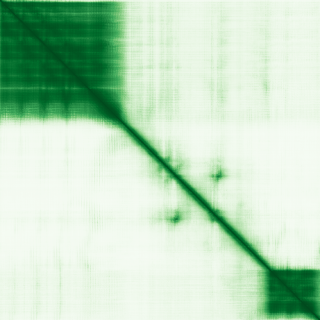
Mean pLDDT
68.3/ 100
Low
461 residues
Confidence breakdown
- Very high(≥ 90)34%
- Confident(70–90)18%
- Low(50–70)10%
- Very low(< 50)38%
Open interactive 3D viewer
AlphaFold (Jumper et al., 2021) · CC BY 4.0
USH1 protein network component sans
Annotations refreshed 2 months ago.
Diagnostic Grade (Green)
Monogenic hearing loss
BIALLELIC, autosomal or pseudoautosomalRetinal disorders
BIALLELIC, autosomal or pseudoautosomalGlaucoma (developmental)
Primary ciliary disorders
Rare multisystem ciliopathy disorders
Skeletal dysplasia
Structural eye disease
BIALLELIC, autosomal or pseudoautosomalThoracic dystrophies
Usher syndrome
Usher syndrome type 1
deafness
Hearing impairment
hearing loss disorder
eye disorder
hearing loss, autosomal recessive
Rare genetic deafness
hereditary disease
Retinal dystrophy
Score is the Open Targets composite evidence score (0-1). Higher = stronger gene-disease association.
pre-mRNA splicing regulator USH1G
Plays a role in pre-mRNA splicing by regulating the release and transfer of U4/U6.U5 tri-small nuclear ribonucleoprotein (tri-snRNP) complexes from their assembly site in Cajal bodies to nuclear speckles, thereby contributing to the assembly of the pre-catalytic spliceosome on target pre-mRNAs (PubMed:34023904). May also participate in recycling of snRNPs back to Cajal bodies during splicing (PubMed:34023904). Plays a role in regulating MAGI2-mediated endocytosis (PubMed:24608321). Anchoring/scaffolding protein that is a part of the functional network formed by USH1C, USH1G, CDH23 and MYO7A that mediates mechanotransduction in cochlear hair cells. Required for normal development and maintenance of cochlear hair cell bundles. Required for normal hearing
Curated MONDO disease pages that list USH1G among their top associated genes.
USH1G · Q495M9
Mean pLDDT
68.3/ 100
Low
461 residues
Confidence breakdown
AlphaFold (Jumper et al., 2021) · CC BY 4.0